How Event-Driven Incentives Coordinate Between Poker Sessions and Sports Markets Within Wireless Gaming Applications
Rosa Reed · Oct 9, 2026
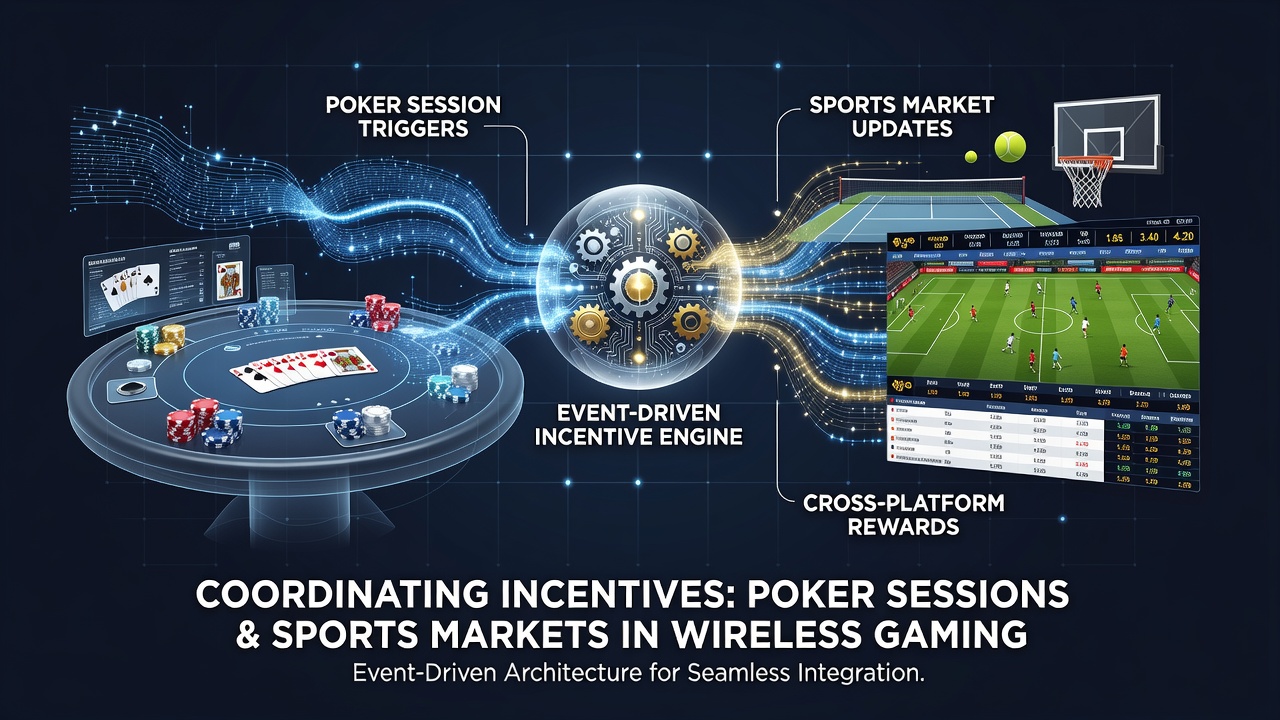
How Event-Driven Incentives Coordinate Between Poker Sessions and Sports Markets Within Wireless Gaming Applications
Wireless gaming applications integrate event-driven incentives that link poker sessions directly to sports markets through real-time triggers and bonus adjustments, and developers design these systems to respond automatically when specific conditions occur across both verticals. Research from industry reports indicates that platforms track player activity in poker tournaments and feed that data into sports wagering modules where multipliers or deposit matches activate based on live event outcomes, while data shows these mechanisms increase session duration across both formats without requiring separate logins or wallet transfers.
Mechanics of Event Triggers in Integrated Platforms
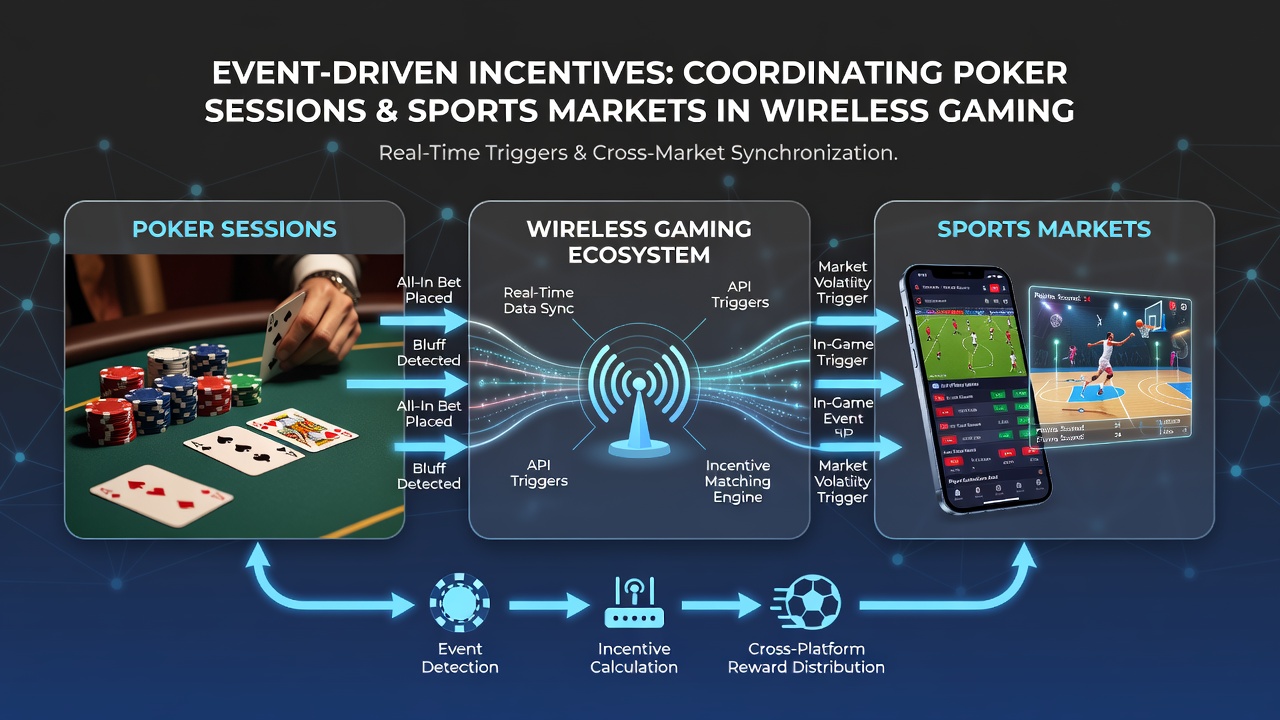
Event triggers function through centralized servers that monitor poker hand completions, tournament milestones, and sports game developments simultaneously, and when a player achieves a certain chip stack in a wireless poker room the system can release a sports market token that expires within the same hour. Observers note that these tokens often apply to live betting lines such as point spreads or over-under totals, creating a seamless flow where poker results influence available sports odds adjustments in the same application interface, and figures from platform analytics reveal that cross-vertical redemptions occur most frequently during evening peak hours in multiple regions.
Coordination Between Poker Tournaments and Live Sports Markets
Coordination occurs when poker tournament schedules align with major sports fixtures through algorithmic matching, and applications push notifications that convert poker leaderboard positions into sports betting credits tied to specific games unfolding in real time. Those who study these systems find that a sudden shift in a basketball game score can trigger an immediate poker side bet option or a bonus round in a concurrent table game, while the reverse happens when a poker final table draw prompts enhanced odds on related prop bets. Data indicates that such pairings rely on timestamp synchronization protocols that update every few seconds to maintain fairness across user sessions.
Role of Wireless Technology in Real-Time Incentive Delivery
Wireless networks enable the low-latency delivery required for these coordinated incentives, and applications use push technology to deliver personalized offers within seconds of an event occurring in either poker or sports environments. Experts have observed that geolocation services further refine these deliveries by adjusting incentive types according to regional regulations, and one study revealed that users in areas with expanded mobile betting access receive more frequent cross-promotions during overlapping event windows. Researchers discovered that bandwidth optimization techniques prevent delays that could otherwise break the coordination chain between the two markets.
October 2026 Developments in Platform Integration
Platform updates scheduled for October 2026 introduce enhanced API connections that allow deeper data sharing between poker engines and sports book modules, and regulatory filings indicate these changes will support faster incentive settlement across wireless devices. Those who track industry timelines note that the updates coincide with broader mobile network improvements that reduce latency in incentive processing, while earlier pilot programs demonstrated higher redemption rates when poker and sports events overlapped during major international competitions. Evidence suggests the new architecture will handle simultaneous triggers from multiple events without performance degradation for end users.
Data Patterns and User Behavior Across Verticals
Analytics platforms record that users who engage with event-driven incentives tend to alternate between poker sessions and sports markets within single app openings, and session logs show average dwell times increase when bonuses carry over from one vertical to the other. According to aggregated reports from gaming technology providers, peak coordination activity occurs around major sports calendars such as league playoffs, where poker incentives can reference ongoing matches to maintain engagement. People who monitor these patterns find that loyalty program tiers accelerate when players complete linked activities across both formats in the same wireless session.
Regulatory and Technical Considerations
Regulatory frameworks in various jurisdictions require clear separation of funds between poker and sports wagering even when incentives coordinate across them, and compliance teams implement audit trails that log every trigger event for review. Technical standards from organizations such as the Gaming Laboratories International ensure that random number generators and outcome calculations remain independent despite shared user interfaces. A separate source from the Malta Gaming Authority outlines testing protocols that verify incentive delivery does not alter underlying game probabilities in either market.
Conclusion
Event-driven incentives create functional links between poker sessions and sports markets inside wireless gaming applications through synchronized triggers, real-time data exchange, and regulatory-compliant delivery systems. Platform operators continue to refine these connections as network capabilities expand and user expectations for seamless experiences grow, and October 2026 updates represent one step in that ongoing technical evolution. The coordination mechanisms rely on precise timing, secure data handling, and transparent logging to maintain operational integrity across both verticals.